



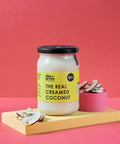












The trend for healthy products never fades. Not only are more and more people consuming them, but new products are constantly appearing in their assortment. One of these is coconut paste – a true delicacy that bloggers and celebrities are obsessed with. And since coconut paste has been available in our store for some time now, we decided to devote some attention to it and see why it's worth having and what you can prepare with it.
Coconut paste is made from the ground-up core of the coconut. It's a 100% natural product, free from any additives: colorings, sugar, or preservatives. Organic coconut paste is pure health and bursting with flavor. Apparently, some people eat it straight from the jar with a spoon, while others add it to many dishes. The possibilities are endless, but let's take a closer look.
Why is it worth eating "coconut" products?
Many of you have already discovered the health benefits of coconut palm fruit. The most well-known product obtained from them is coconut oil. Coconut paste, available in convenient jars, is also gaining a growing following. We hasten to clarify that you can, of course, make your own coconut paste at home, but it's quite time-consuming, and coconuts are difficult to find in our stores.
Coconut products are worth eating not only for their taste, but also because they are exceptionally healthy. It's no coincidence that the coconut palm is called the "tree of life." The white flesh of the coconut contains many nutrients. Eating coconut in various forms is recommended for dementia, obesity, fungal infections, and even as a valuable dietary supplement for cancer patients. It stimulates metabolism, regulates intestinal and gastrointestinal flora, and lowers cholesterol levels. It is highly nutritious and provides a source of easily digestible energy. Coconut paste consists of 70% saturated fatty acids and is rich in vitamins (E, B, C) and minerals (calcium, iron, magnesium, phosphorus, potassium, sodium, zinc).
Coconut paste – a universal product
Coconut paste's popularity stems primarily from its many possible uses. The paste we offer is an organic product made by grinding the white flesh of coconuts and contains no additives—preservatives, colorings, or flavor enhancers. By adding the appropriate amount of water, it can be used to prepare coconut milk, cream, or whipped cream. It retains its intense aroma and flavor in any form.
It is widely used primarily in Asian cuisine, where it is added to many dishes, giving it a unique aroma and flavor. In Europe, it is very popular as a breakfast addition – this is undoubtedly due to the richness of minerals contained in coconut, as well as the amount of energy it provides. Coconut paste can also be used as a substitute for milk in recipes for ice cream or homemade chocolate.
What to prepare from coconut paste?
Want to buy coconut paste but don't know what to make with it? We suggest two quick, delicious, and exotic dishes. Here they are:
Zucchini and potato soup with a hint of coconut
Ingredients:
- 2 zucchini
- 2 potatoes
- 1 chili pepper
- 1 large onion
- 1 clove of garlic
- 750 ml of vegetable broth
- 2 tablespoons of coconut paste
- 1 teaspoon curry powder
- 1 tablespoon of oil
- Pepper
- Salt
- Parsley
- Coriander
Preparation:
- Finely chop the onion, garlic and chili pepper and simmer together in a pot with a tablespoon of oil.
- Peel the zucchini and potatoes, cut them into small pieces, add them to the pot, pour in a little vegetable stock and simmer for another 10 minutes.
- Add the curry powder. Pour in the remaining vegetable stock. Cook for about 30 minutes, stirring occasionally.
- When the vegetables are soft, add parsley and cilantro.
- Blend until smooth.
- Add coconut paste and heat, but do not bring to a boil.
- Season to taste with salt and pepper. If you'd like the soup to be spicier, add a pinch of chili.
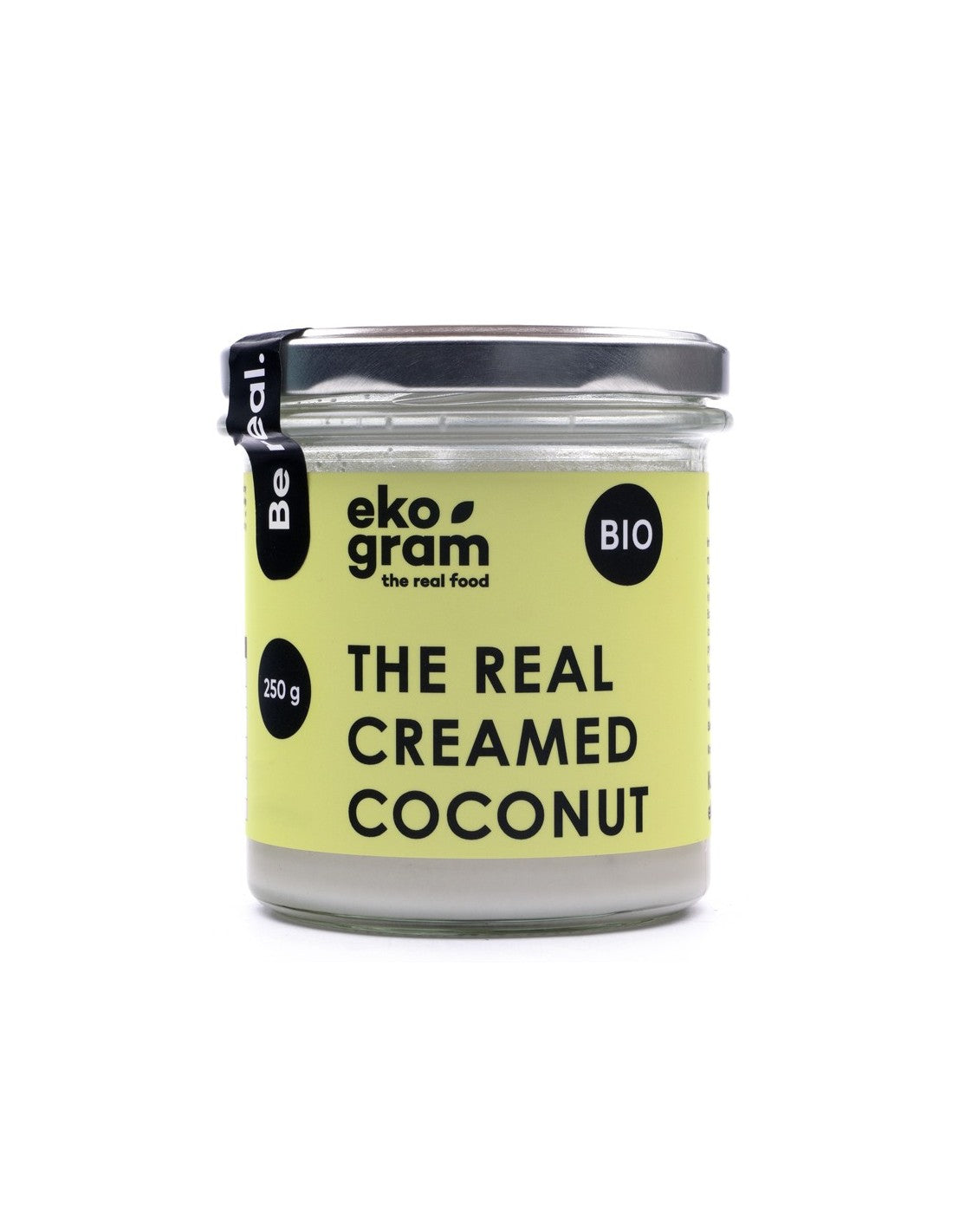
Coconut Mousse - Organic Coconut Paste - 100% - Ecological
Aromatic fish in herbs with coconut flavor
Ingredients:
- 6 fish fillets (trout, cod)
- 2 cups of water
- 1 tablespoon of coconut oil
- 1 tablespoon of curry
- 1 tablespoon of coriander
- Juice of one lemon
- 2 tablespoons of coconut paste
- 4 pepperoni peppers
- 2 sprigs of mint
- 1 onion
- 2 cloves of garlic
- 1 teaspoon of cumin
- 1 teaspoon of sugar
- 1 teaspoon of turmeric
- Pepper
- Salt
- 2 bay leaves
- Rice
Preparation:
- Salt the fish, sprinkle with lemon juice and set aside for 30 minutes.
- Blend coconut paste, coriander, mint leaves, garlic, pepperoni, 1 tablespoon of lemon juice, turmeric, cumin, sugar, and bay leaves until smooth.
- Spread the paste on both sides of the fillets and wrap them in aluminum foil, shiny side up.
- Refrigerate for at least 1 hour. It's best to marinate the fish in the morning and bake it after returning from work.
- Preheat the oven (convection) to 180 degrees Celsius. Add the fish and bake for about 20 minutes.
- Meanwhile, heat a tablespoon of oil in a pan, add the finely chopped onion. Add the rice and fry for about 3 minutes, until the grains are translucent.
- Add water, salt, and a little lemon juice. Cover with a lid and cook until tender, about 20 minutes.
- Remove the fish from the oven and place on plates. Add the rice. Serve immediately.

Odorless Coconut Oil - Organic - Ecological
See also other entries:
Refined or unrefined coconut oil?


