




















Many people struggle with maintaining a gluten-free diet. These days, it's much easier for them to find the right food than it was a decade ago. There are specialized stores offering healthy and organic food to their customers. Unfortunately, the selection of gluten-free products is relatively limited, which leaves those forced to maintain such a diet to a life of kitchen boredom. However, teff is available commercially, and it's a wonderful product recommended not only for gluten-free individuals but also for anyone who cares about their health and a balanced diet.
What is Teff?
Teff, also known as teff or Abyssinian grass, is a cereal plant from the Poaceae family. It occurs naturally in northeastern Africa and has been cultivated for nearly four and a half thousand years. This gluten-free grain is very durable, withstanding storage conditions at home. It is extremely susceptible to pest infestation and is also not susceptible to rancidity. The color of the grains varies between varieties, ranging from milky white, through red, to black. The darker the teff seeds, the more intense their flavor. The world's largest producer of teff is Ethiopia, where it is considered a fundamental and essential component of the diet of competitive marathon runners. It is also cultivated in South Africa, Kenya, the USA, Canada, and Australia.
Why is it worth eating teff?
The properties of teff are truly amazing. It contains large amounts of fiber, valine (an amino acid), calcium, iron, and folic acid, which are essential for proper body function. It also contains a high level of methionine, cysteine, and, compared to other grains, a high level of lysine. Teff is also a rich source of magnesium, essential for the proper functioning of the nervous system. Magnesium helps reduce stress and tired muscles, and promotes mental alertness. Furthermore, it is gluten-free , making it an ideal dietary component for those with celiac disease. Furthermore, dishes prepared with teff have a low glycemic index, making them safe for diabetics.
Recipes:
1. Injera – the national dish of Ethiopia
Preparation time: 1 day
Difficulty level: easy
Ingredients (Serves four)
- 1.5 cups teff flour
- 2 cups of lukewarm water
- 0.5 teaspoon baking powder
- a pinch of Himalayan salt
- odorless coconut oil for frying
Preparation:
- In a large bowl, combine teff flour and water. Cover with a cloth and leave in a quiet place for at least 24 hours. Do not open or stir. After this time, the starter will begin to ferment.
- Add baking soda and salt to the starter, mix well.
- Heat coconut oil in a pan. Form a thin layer in the pan and cook over medium heat. Cover with a lid. Do not flip. The injera is ready when bubbles appear.
- Once cooled, the pancakes should roll up easily and stay fresh for a few days. They're best served with meat and vegetables.


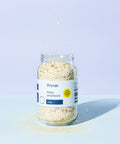
Organic Oat Flakes Organic Teff Flour - Abyssinian Teff
2. Teffianka, or teff flakes with banana
Preparation time: 5 minutes
Difficulty level: Very easy
Ingredients: (Serving for one person)
- 4 tablespoons of teff flakes
- 150 milliliters of milk (any kind - cow, goat)
- 1 tablespoon of coconut milk
- 1 small banana
- 1 pinch of Ceylon cinnamon
Preparation:
- Boil the milk with cinnamon and coconut milk in a pot.
- Add the teff flakes and chopped banana to the boiling milk. Stir everything together and remove from the heat.
- Once the milk has been absorbed by the teff, serve it warm.
See also other winning recipes:




Comments (0)
There are no comments for this article. Be the first one to leave a message!