
























Groats have been a staple on our tables for years. Until recently, they enjoyed moderate popularity – they weren't the most popular addition to heavy Polish cuisine – aside from barley and buckwheat, of course. That's a shame. Currently, there are many varieties of groats on the market, and for some time now, we've been rediscovering this product. It's a way to create light and tasty dishes. It's worth incorporating them into your daily diet if you want to prepare nutritious and healthy meals. Here's a short article about which groats to choose and why.
The most popular groats are made from barley, wheat, millet, corn, and buckwheat. These groats include buckwheat, barley, corn, semolina, millet, and oat groats. They contain significant amounts of magnesium, zinc, iron, potassium, phosphorus, and B vitamins . While the average groat is high in calories, it's also very filling due to its high content of easily digestible starch. Furthermore, it also contains a good amount of vitamin E, known as the elixir of youth.
The list of benefits of eating groats is endless. Popular buckwheat groats also contain a lot of protein, are tender, and easily digestible. Buckwheat grains accelerate metabolism and lower bad cholesterol levels. Couscous also has many benefits. This variety originates from Moroccan cuisine, but it has perfectly adapted to our culinary preferences. It's quick and easy to prepare . It's nutritious and neutral in flavor, so it can be a base for both savory and sweet dishes. Barley groats, on the other hand, are rich in vitamin PP, responsible for the health of our hair and skin.
What about calories?
Healthy groats should be included in the menus of those trying to lose weight or follow cleansing diets. Groats are much more nutritious than pasta, potatoes, or rice. They are easily digested, and due to their fiber content, they effectively regulate metabolism and accelerate the excretion of toxins . Most groats have a low glycemic index, meaning that after eating a meal of groats, energy is released slowly, giving us the energy to work. This prevents hunger pangs and, in the long run, provides significant vitality and improves overall well-being.
The caloric value of groats is similar:
100 grams of dry groats contain an average of 340-390 kcal. Oat groats are higher in calories because they contain more fat. The good news, however, is that the groats expand significantly after cooking. One hundred grams of dry groats yield about 300-400 grams of finished product after cooking, so their caloric value is actually lower.
At home and at work
Which groats are best? The answer is simple: the ones we eat most often. All groat dishes are healthy and filling.
- However, dietitians recommend coarse-grained groats, e.g. buckwheat, which is made from whole grains, including the husk, rich in fiber.
- For people suffering from deficiencies, millet is recommended because it contains the most mineral salts and vitamins.
- Semolina, along with couscous and cornmeal, is easily digestible, making it particularly suitable for people with stomach or intestinal problems. It's recommended for convalescence and for young children. Semolina also relieves diarrhea, as it has mild constipating properties.
An undoubted advantage is that we can prepare the groats in advance and, if necessary, pull out a ready-made product, saving valuable minutes while preparing a nutritious and healthy meal. Groats salads taste great both warm and cold, so they can also be prepared in advance and taken to work or university for a quick lunch. Such a meal is a great alternative to fast food.
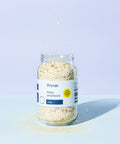
Check out the organic groats available in our store:
 Organic Bulgur Groats
 Organic Millet Groats
What to start with?
Even beginners should be able to prepare this salad with couscous, avocado, sun-dried tomatoes, and salmon. Buckwheat groats taste delicious when sautéed with garlic slices, onion, and Parma ham.
Pearl barley can be incredibly flavorful when enriched with chicken, feta cheese, and diced colorful fresh peppers. You can also substitute tuna for the meat, or serve the pearl barley with cooked vegetables and season it with herbs.
Popular pierogi also pair well with buckwheat and cheese. The buckwheat also transforms cabbage rolls. They don't always have to be made with rice. It can be successfully replaced with buckwheat.
The flavor of dishes, the types of spices, and the grains used will depend on your own preferences and culinary habits. Groats should be a permanent fixture on our tables : they contain no dyes, flavors, or preservatives, and yet they can be stored for a long time. To add variety to your diet, you can occasionally reach for exotic grains like bulgur, quinoa, or amaranth. Cooking with groats is the easiest thing in the world. Just add the groats to the water, and dinner is ready in minutes.
Did you know that:
• Due to its high magnesium content, buckwheat is especially recommended for people leading active lives. It also helps those with stressful lifestyles and insomnia.
• Eating buckwheat has a similar effect to red wine. It strengthens the body, increases immunity, has antibacterial properties, and slows down the aging process.
• If you want to encourage your child to eat cereal, remember that the example comes from the top. Start introducing new foods with one teaspoon. The most important thing is to get your child to simply try it.
• To remove bitterness, you can rinse the groats for 2-3 minutes in a sieve under running water before cooking, or soak them for an hour and change the water before cooking.
• Millet porridge with fruit for breakfast is a perfect, energy-boosting breakfast for cold autumn mornings.
• To satisfy your hunger, a portion of buckwheat groats the size of a tennis ball is enough.
Check out our other posts:
Couscous - what is it, how is it made, how to cook it?




Comments (0)
There are no comments for this article. Be the first one to leave a message!