
















Oat flakes – natural fuel for your kitchen
Oat flakes have been a staple of healthy eating for decades. For many people they’re “just” porridge, but in reality they’re a modern-kitchen must-have. Whether you’re aiming to lose weight, build muscle, or simply eat better, choosing oats is a smart first step. In this article you’ll learn how to get the most out of them, explore different types of oats, and discover how something so simple can upgrade your breakfasts.
Table of contents
Which oats should you choose? Rolled oats, quick oats, and wholegrain options
Standing in front of the shelf, it’s easy to wonder: which oat flakes are best? You’ll find a few types in stores, mainly differing in how much they’ve been processed.
If you like to keep things as natural as possible, go for organic oat flakes. Organic oats usually need a bit more time to cook, but many people love the texture and the “real food” feel. Look for wholegrain oats whenever you can, because that’s where a lot of the goodness lives. Their big advantage is simplicity: natural oats don’t need extra additives. An organic certification is also a nice sign you’re getting a quality product.
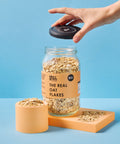
Sometimes you’ll see vitamin-fortified oats, but honestly, regular oat flakes are already naturally rich in minerals for most people. And no matter which type you choose, oats are still a much better everyday option than sugary breakfast cereals. It’s worth having real oats (not heavily processed substitutes) in your kitchen. They’re easy to find, budget-friendly, and always useful. Store them in an airtight jar to keep them fresh for longer.
The most popular choice is rolled oats (often called “traditional” oats). They’re made from cut grains, so after cooking they keep more bite and texture. Rolled oats are a great balance between cooking time and nutrition. If speed is your priority, quick oats are the easiest option. They’re steamed a bit more, so they absorb liquid fast and don’t need much cooking.
Oats: nutrition & benefits – why are they worth eating?
So why are oats in your diet such a good idea? It comes down to what’s inside. Oat flakes are packed with complex carbs that release energy gradually. They also provide plant-based protein and healthy fats. But the real star is fibre. Fibre makes oats seriously filling, which can help with appetite and weight management. A special role is played by beta-glucans (a type of soluble fibre) – that’s why regular porridge is often linked with supporting healthy cholesterol levels.
The benefits of oats go beyond macros. They contain plenty of B vitamins, magnesium, iron, and zinc. They also have antioxidants, including oat-specific avenanthramides, which may support the body’s natural anti-inflammatory processes.
A regular diet where oats are your go-to breakfast base can be a good habit for heart health. Research suggests that eating oats regularly, especially their oat beta-glucan, may improve certain risk factors for lifestyle-related diseases—most notably by helping lower LDL (“bad”) cholesterol.
Oats have a moderate glycaemic index, so they usually don’t cause sudden blood sugar spikes. That makes wholegrain oat flakes a solid, safe choice for most people. They can also support digestion and may feel soothing for the stomach. When prepared well, oats can have a gentle, slightly “creamy” texture that many people find comforting.
How to prepare oats: with milk, water, or plant-based drinks
Some people give up on oats because they’re not sure how to make them tasty. The secret is the method. Cooking oats is the most common approach. Porridge with cow’s milk is a classic – milk fat adds flavour, and calcium is a nice bonus. To make it, simply add about half a cup of oats to simmering milk. More and more people also use plant-based milk. Oat drink, almond, or soy work beautifully with that grainy, toasty oat flavour. Oats with plant-based milk are lighter and vegan-friendly.
If you prefer a lighter option, try porridge with water. To keep it from tasting bland, add a pinch of salt and cinnamon while cooking. The key is to add the oats to boiling water, then lower the heat. Stir from time to time so it cooks evenly.
If you’re using quick oats, you can simply pour boiling water over them – they’ll keep their shape, but soften quickly. Another great method is overnight oats: pour your base (for example, natural yogurt) over raw oat flakes and leave it in the fridge. In the morning the oats will be perfectly plump and ready to eat. It’s a simple way to save precious minutes in the morning. Just keep in mind: cooked oats typically have a higher glycaemic index than oats soaked cold.
Oats for breakfast (and beyond): recipes, baked oats, and add-ins
Most often we serve oats for breakfast. But classic porridge can get repetitive, so it helps to have a few different oat-based ideas. A brilliant alternative is baked oats. It’s a bit like a cake, and you can make a batch for a few days. Mix oats, eggs, milk, and fresh fruit, then bake.
If you want something crunchy, homemade granola is a perfect win. Mix oats, honey, nuts, and a little fat, then bake – you’ll get crispy goodness.
Oat recipes aren’t only sweet. Savoury oats are getting more popular too. A savoury porridge with avocado, a poached egg, and cherry tomatoes makes a filling lunch. You can also make veggie oat burgers, where oats act as a binder. Are natural oats good for kids? Absolutely. Oats for children are easy to “sneak in” as oat muffins or healthy oat cookies (banana + oats is enough!).
Another quick idea is easy oat pancakes you can make in 10 minutes. Add two tablespoons of oats to a blender to thicken a smoothie or create trendy smoothie bowls.
Cookies, tart bases, breading – oats have found their way into almost everything. No matter the form, oats still deserve their reputation as a healthy diet hero. Try them in a new way! Add oats to your favourite yogurt, toss in a handful of nuts, and a touch of sweetness like honey, and you’ll see how they can support feeling better day after day. So – eat oats or not? The answer is simple: yes, every day!


