




















Chia seeds: properties, uses, and benefits
Chia seeds, the seeds of Spanish sage (Salvia hispanica), are tiny grains with high nutritional value. Although small, they provide nutrients that are often desirable in a balanced diet.
They contain fiber, plant-based protein, unsaturated fats, and minerals. They also have a unique feature: when they come into contact with water, they swell and form a gel-like texture, which makes them especially easy to use in the kitchen.
Find out what chia seeds are, where they come from, what they contain, and how they can fit into your daily meal plan. You’ll learn how to prepare them, how much chia per day is commonly used, and what to keep in mind to use them safely.
Table of contents
- 👉 What chia seeds are and where they come from
- 👉 Nutrients and properties
- 👉 Diet benefits – what chia may support
- 👉 How chia seeds are used in the diet
- 👉 How to eat chia seeds every day
- 👉 Recipes with chia seeds
- 👉 Chia seed oil and its uses
- 👉 Where to buy chia seeds and what to look for
- 👉 Summary
- 👉 FAQ – most common questions
What chia seeds are and where they come from
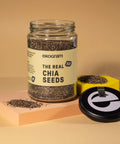
Chia seeds are the seeds of a plant called Spanish sage (Salvia hispanica). They are small, have a mild flavor, and come in different shades (light, dark, and mixed). They stand out for their high ability to bind water. In practice, this means they easily form a “gel” and work well in dishes, improving texture.
Chia has been used in Mesoamerica for a long time, and today it has become a popular diet addition worldwide mainly because it’s convenient and can enrich meals with nutrients typical of plant-based foods.
The origin of chia seeds from Spanish sage
Spanish sage is an annual plant that can grow to about one meter tall in favorable conditions. Its flowers can be purple or white, but the seeds are the most sought-after part. Even though they are only a few millimeters in diameter, they are commonly chosen as an ingredient for breakfasts, desserts, and smoothies.
History and traditional uses of chia seeds
Historically, chia appears as part of traditional diets in the region of today’s Mexico and Guatemala. Different roles were attributed to it in traditional practices, but today it is most often treated as a food with a favorable nutritional profile and a practical culinary ingredient. Keep in mind that traditional descriptions do not replace modern nutrition and medical knowledge, so health conclusions are best based on a balanced diet and individual needs.
Nutrients and properties
Chia seeds are often called a “superfood” mainly because a small serving can provide a lot of nutrients. Most commonly, they are discussed in the context of fiber, ALA (omega-3), plant-based protein, and selected minerals. Keep in mind that values may vary depending on the producer, batch, and growing conditions.
What chia seeds contain
In practice, chia is used as a simple way to increase the share of plant-based nutrients in the diet. It is typically highlighted for:
- Fiber – supports normal bowel function and helps build satiety, especially when chia is combined with liquids.
- Plant-based protein – useful in plant-based diets and for people who want more variety in protein sources.
- Unsaturated fats – including omega-3 fatty acids in the form of ALA.
- Minerals – including calcium, magnesium, phosphorus, zinc, and iron.
In a serving of about 2 tablespoons of chia, you will typically find a high amount of fiber and a portion of protein. You can verify the exact values based on the nutrition facts table of the specific product.
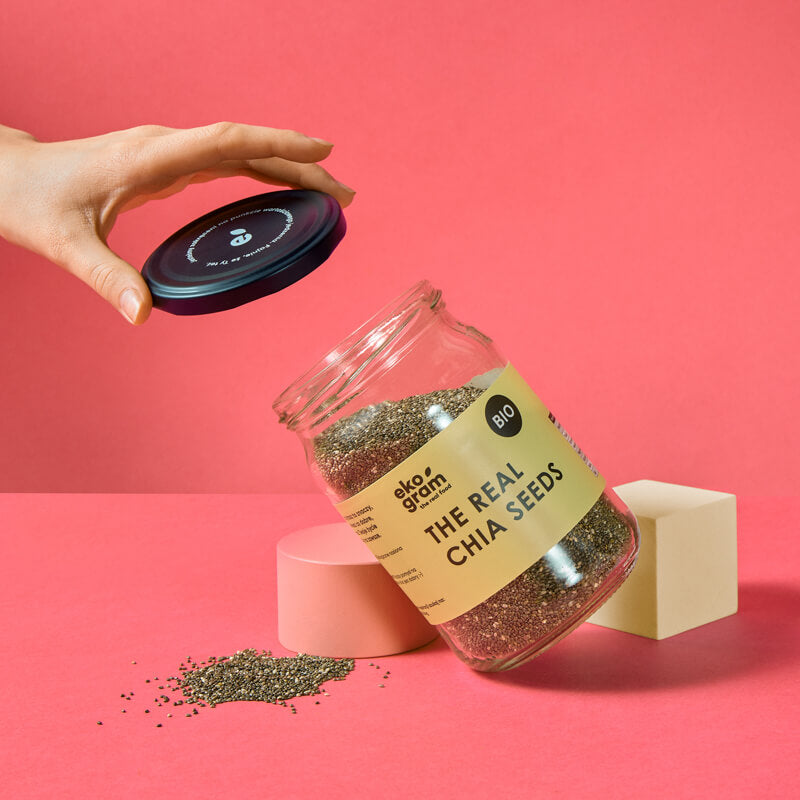
Omega-3 fatty acids and alpha-linolenic acid (ALA)
Among chia’s nutrients, omega-3 fatty acids are often highlighted especially alpha-linolenic acid (ALA). It’s worth clarifying that ALA is a plant-based form of omega-3. The body can convert ALA into EPA and DHA (commonly associated with fish), but this usually happens only to a limited extent. That’s why chia is best described as a plant source of ALA and a part of a diet that increases the intake of unsaturated fats.
Chia oil is sometimes chosen as a concentrated source of ALA, especially in plant-based diets. It’s best used cold (for example, in salads) to preserve the quality of unsaturated fats.
Dietary fiber and its role in digestion
The fiber in chia seeds is one reason many people add them to breakfasts and desserts. Fiber can support peristalsis, help maintain regularity, and promote satiety. In practice, it works best when the diet also includes enough fluids and vegetables and chia is a complement rather than the “only trick” for digestion.
Plant-based protein as part of the diet
Spanish sage seeds provide plant-based protein, making them a convenient addition for vegans, vegetarians, and anyone who wants to increase protein variety. It’s best to treat chia as a supportive ingredient rather than the only protein source in a meal. They pair well with yogurt, plant-based drinks, oatmeal, and in smoothies they help “finish” the texture.
Antioxidants and vitamin E supporting cell protection
Chia contains compounds with antioxidant activity, and vitamin E is also often mentioned in descriptions. Antioxidants can support the protection of cells from oxidative stress as part of a diet rich in plant foods. Still, overall health impact depends on lifestyle as a whole, not on one single product.
Minerals: calcium, magnesium, phosphorus and their role in the diet
Calcium in chia may be relevant especially for people who limit dairy. In addition to calcium, chia can provide magnesium and phosphorus, which are important for muscles and bones. If you need precision, always refer to the label of a specific product mineral content can vary.
B vitamins and metabolism
Chia descriptions often mention B vitamins (for example B1, B2, B3). These vitamins are important for energy metabolism and the nervous system. Chia can be one of many elements of a diet that includes plant foods rich in vitamins and minerals.
Hydrophilic properties – why chia swells
One of chia’s most characteristic features is its ability to absorb liquid and form a gel-like structure. Chia seeds can absorb up to 10 times their weight in liquid. In practice, this means two things: first, chia can increase meal volume and promote satiety; second, it’s worth eating them soaked or in moist dishes and remembering to drink enough fluids.
Diet benefits – what can chia seeds support?
Chia seeds are popular because they make it easy to enrich meals with fiber, ALA, and nutrients typical of plant foods. Treat chia as a practical addition: they can support your diet, but your overall eating pattern and lifestyle make the biggest difference.
Digestive support and satiety
If you often feel hungry between meals or want to increase fiber intake, chia can be a convenient addition. When mixed with liquids, they form a gel that helps “thicken” a meal. For many people, this translates into longer satiety especially when chia is added to a balanced breakfast, such as oatmeal with fruit and a protein source.
Support for the heart and circulatory system
Chia provides fiber and ALA, so it may fit well into an eating pattern focused on the heart and circulation. In practice, the biggest difference comes from everyday basics: what you eat daily, how many vegetables you include, your activity level, and maintaining a reasonable balance. Chia can be added as a simple extra without turning your diet upside down.
Potential role in a diet supporting nutritional balance
ALA from chia can be a valuable part of the diet, especially if you want more unsaturated fats. It works best as part of a broader approach: replacing some saturated fats with unsaturated ones, eating nuts and seeds, including fish (if you eat it), or thoughtfully supporting omega-3 intake in plant-based diets.
A more stable post-meal glycemic response
Chia contains very little sugar and provides fiber, so adding it to a meal may support a more stable glycemic response after eating. This tends to work best when chia is part of a meal that includes protein and fats (for example, plain yogurt + fruit + chia), rather than being added to sweet drinks.
Hydration and “chia gel” in practice
The fact that chia binds liquid is sometimes described as hydration support. In practice, it’s more important that chia is best eaten soaked or in moist dishes and that you drink enough fluids overall. If you eat a lot of fiber but drink very little, digestive discomfort is more likely balance matters.
How chia seeds are used in the diet
Small and unassuming, yet powerful chia seeds are valued mainly for their versatility. They fit many eating styles: plant-based, gluten-free, high-fiber, or sports-focused. They can be added cold, used in desserts, or used as an egg substitute in baking.
Most common kitchen uses for chia
| Use | How to use | Effect in the dish |
|---|---|---|
| Puddings and desserts | Soak in milk/plant drink, leave for a few hours | Creamy, thick texture |
| Shakes and smoothies | Add 1 tablespoon, let sit briefly | Thickening and greater satiety |
| Oatmeal, yogurt, muesli | Stir in or sprinkle over the finished dish | More texture and fiber |
| Baking (egg substitute) | 1 tbsp chia + 3 tbsp water = “chia egg” | Better binding and moisture |
Who may find chia especially convenient
For athletes and active people, chia is easy to add to smoothies and breakfasts, especially if you want more satiety and an easy fiber boost. For people losing weight, it can help as part of more filling meals (but overall calorie balance is key). For vegans and vegetarians, chia is practical because it combines plant-based protein with unsaturated fats and minerals. For people on a gluten-free diet, chia is naturally gluten-free, though people with celiac disease should choose products labeled as free from gluten contamination if the producer provides that information.
Among readers, the topic of pregnancy also often comes up. Chia seeds can be part of a balanced diet during this period as well (due to fiber and ALA), but digestive sensitivity can be higher in pregnancy so it’s especially worth starting with small portions and consulting a specialist if in doubt.
How to eat chia seeds every day
Adding chia to your diet is simple: you can mix it into oatmeal, yogurt, smoothies, or desserts. The flavor is mild, so it won’t overpower dishes. The most important rule is: don’t eat large amounts of dry seeds without drinking fluids. Chia binds water, so it’s better to combine it with liquid, soak it, or add it to moist dishes.
Dose and typical daily amount
In practice, people most often use about 10–20 g per day (usually 1–2 tablespoons). If you’ve eaten little fiber so far, start with a smaller amount (for example, 1 teaspoon) and increase gradually. A rapid jump to high fiber intake can cause bloating or discomfort.
How to use chia gel and what it’s good for
One of the most convenient options is making chia gel. Simply mix the seeds with a liquid and wait for them to swell. This gel works well in puddings, smoothies, and oatmeal, and it can also gently thicken a sauce or soup (if you add it at the end without intense cooking).
Approximate ratio: 1 tablespoon of chia per 100–150 ml of liquid. Let sit for 10–15 minutes and stir once more to avoid clumps. You can adjust thickness by changing the amount of liquid.
Contraindications and possible side effects
Despite many advantages, chia seeds aren’t ideal for everyone. Most often the issue isn’t the product itself but too large a portion or too little fluid intake. Some people may experience bloating, digestive discomfort, or a feeling of heaviness especially if fiber intake increases suddenly.
If you take medications (especially blood thinners, blood pressure drugs, or diabetes medications), have chronic conditions, or a very sensitive digestive system, introduce chia cautiously and consult your doctor or a dietitian. Allergies to chia are rare but possible if you notice allergic symptoms, stop consuming it.
Recipes with chia seeds
Chia seeds work great in the kitchen because they easily improve texture and don’t require complicated preparation. You can use them soaked (as gel) or as an add-in. Below are everyday recipes and ideas.
How to make chia pudding step by step
- Choose a base: 250 ml cow’s milk or a plant drink (for example coconut, oat, or almond).
- Add chia: 2–3 tablespoons of seeds and mix thoroughly.
- Flavor it: optionally honey, maple/date syrup, cinnamon, vanilla, or cocoa.
- Chill: at least 2–3 hours, ideally overnight in the refrigerator.
- Serve: with fruit, nuts, granola, or shredded coconut.
Breakfast and dessert ideas with chia seeds
Overnight oats is an easy classic: oats, yogurt or a plant drink, fruit, and 1 teaspoon of chia. If you like thicker textures, add more chia or let it sit longer. Chia in smoothies is another quick option: add 1 tablespoon and wait a few minutes for the drink to thicken slightly. Fruit mash with chia can be made from mashed fruit (for example raspberries, strawberries, mango) chia works as a natural texture “stabilizer”.
Using chia in smoothies, salads, and baking
Chia isn’t only for desserts. In salads it works as a crunchy topping (sprinkle over the finished dish just before serving), and in dressings it can gently thicken the sauce. In baking, it’s most often used as an egg substitute: 1 tablespoon chia + 3 tablespoons water forms a “chia egg” after a few minutes, helping bind batters for cakes, muffins, or pancakes.
Chia seed oil and its uses
Chia seed oil is valued mainly as a source of ALA and as a cold-use addition to foods. It has a mild, slightly nutty aroma that works well in salads, dressings, and smoothies. Because it is rich in unsaturated fats, it’s best used without intense heating.
Nutritional and culinary properties of chia oil
In practice, chia oil is chosen by people who want more unsaturated fats in their diet. You can add a teaspoon to a salad, a vegetable spread, or a smoothie. It’s an easy way to shift the fat profile of your diet but, as with the seeds themselves, the overall diet quality matters most.
Cosmetic use: skincare and haircare
Chia oil is sometimes used in cosmetics as an emollient that supports hydration and comfort for skin and hair. It may appear in serums, masks, or conditioners. If you have sensitive skin, do a patch test on a small area and observe the reaction. It’s still a plant product, so individual tolerance may vary.
Where to buy chia seeds and what to look for
Chia seeds are available in health food stores, supermarkets, and online. When choosing, it’s best to focus on quality and freshness, as these affect taste and product stability. Good chia has a neutral smell and a uniform appearance, without suspicious clumps or moisture in the package.
What to look for when buying: choose products from trusted producers we recommend chia seeds from organic farms. Look for tight packaging that protects against moisture and check the best-before date. If you buy online, reviews and transparent origin information can be helpful.
Market forms and typical uses
The most common options are whole seeds (the most versatile), ground seeds (handy for baking or adding to oatmeal), and chia oil (for cold dishes). The best choice depends on how you want to use chia for desserts and smoothies, whole seeds are usually best; for baking, ground seeds or a “chia egg” work well.
Summary: why it’s worth adding chia seeds to your diet
Chia seeds are a simple addition that helps enrich the diet with fiber, plant-based protein, and ALA, and it also improves meal texture thanks to its gel-like structure. They work best as part of a balanced diet: in oatmeal, yogurt, smoothies, puddings, and baked goods.
If you’re just starting, choose small portions, eat chia soaked or in moist dishes, and make sure you drink enough fluids. If you have chronic conditions or take medications, introduce chia cautiously and consult a professional.
FAQ – most common questions about chia seeds
Can you eat chia seeds every day?
For many people, eating chia daily in a reasonable amount (for example, 1–2 tablespoons) works well. The key is to increase the amount gradually and drink enough fluids, because chia provides fiber and binds water.
Do chia seeds need to be soaked?
Not always, but it’s very practical. Soaked chia forms a gel-like texture that is gentler on the digestive tract and works better in desserts and smoothies. If you add chia dry, combine it with a moist meal and remember to drink fluids.
How many tablespoons of chia per day is a good amount?
Most commonly, people use 1–2 tablespoons (about 10–20 g). If you usually eat little fiber, start with 1 teaspoon and observe how you feel. For some people, increasing the portion too quickly causes bloating.
Are chia seeds gluten-free?
Chia is naturally gluten-free. However, people with celiac disease should choose products with a declaration of no gluten contamination if the producer provides it.
Chia and medications – can there be interactions?
If you take blood thinners, diabetes medications, or blood pressure medications, introduce chia cautiously and discuss it with your doctor. In practice, consistency and observing your body’s response are important, because diet can affect metabolic markers.


