




THE REAL
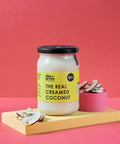
CREAMED COCONUT

37,99 zł
That is

Organic Coconut Paste - 100%

Weight
37,99 zł
37,99 zł
Minimum durability date: 02.10.2027

How much does delivery cost?

  • Free delivery for orders over PLN 199
  • InPost Parcel Lockers 24/7 - PLN 14.99
  • DPD Pickup - PLN 15.99
  • InPost Courier - PLN 15.99
  • DPD Courier - PLN 16.99
  • Personal pickup in Krakow - free of charge

What payment methods are available?

  • BLIK
  • fast transfer with Tpay
  • Apple Pay
  • Google Pay
  • Credit Card

We have been shipping glass jars for over 15 years and we know how to do it. If something happens during transport, you don't have to worry about anything.

Just send us a photo and a simple form, and we'll send you new products, no questions asked.

  • Natural taste

    Our greatest pride is that our products have a simple composition - very often it's just one ingredient. As a result - it tastes exactly as nature intended.

  • BIO certified

    Organic food is good in many ways. Appropriate certification is a confirmation for us that what you eat is healthy for you and our planet.

  • Sensibly packaged

    Perhaps there is no perfect packaging – but we think a glass jar is the best choice. It protects food well, makes it easy to use, and is reusable and recyclable.

The Real Creamed Coconut - What is coconut butter / coconut paste?

Our organic coconut butter is made by grinding the pulp of organic coconut. It contains no preservatives, sugar, or colorings. When heated, it takes on the consistency of a thick cream. The butter has a slightly oily texture and a distinct sweet coconut flavor.

What is the difference between coconut paste and coconut oil?

See the blog post: Coconut paste - everything you need to know

How to use coconut butter?

  • Coconut butter is a sensational sweet topping for omelets, apple fritters, pancakes, and your other baked goods. Enjoy the sweet coconut flavor without added sugar.
  • Coconut butter is an excellent base for real coconut milk. Simply blend it with water. You'll prepare exactly as much fresh coconut milk as you need.
  • Do you like rice with coconut milk? Nothing could be simpler! Add a few spoonfuls of coconut paste to boiling water and it's ready!
  • The best use is yet to come. Blend coconut butter with cooked millet groats. This simple and quick dessert already has millions of loyal fans. Try millet Rafaello.

And what can be made from coconut butter - what can it be used for?

Coconut butter is very popular in Asian cuisine. It forms the base of various sauces. It is ideal as an ingredient in homemade curry, because it allows us to obtain a delicious and aromatic sauce.

Coconut butter can also be used for homemade ice cream, buttermilk, yogurt, or chocolate. It can also be a milk substitute in your favorite recipes.

Coconut butter can also be mixed with water. Depending on the amount, we can obtain coconut cream, coconut milk, or even coconut whipped cream.

How to store coconut butter?

Before use, coconut butter should be thoroughly mixed. A snow-white layer may separate on the surface. This is a natural phenomenon. It is virgin coconut oil.

Coconut butter can be stored at room temperature if you don't eat it straight from the jar :) Otherwise, it's worth storing it in the refrigerator. It will be good for many more weeks. Coconut butter taken straight from the refrigerator can have quite a hard consistency.

Why is coconut paste a valuable product?

Organic coconut paste is an easily digestible source of energy.

And a few more words about coconut paste

Coconut paste, like coconut oil, can also be used as a body lotion or hair mask. Its uses are virtually limitless. Coconut paste is also known as coconut butter or creamed coconut.

What does coconut cream taste like?

Sensory Profile: Coconut

Intensity / Aroma Distinct

Consistency Temperature-dependent

Natural sweetness Sweetish

Depth of flavor Rich

Flavor notes of the raw material:
Fresh coconut Creamy Tropical

Certificates and test results: Ekogram BIO coconut mousse

We care about the quality of our products. Our coconut mousse has been tested for, among others, aflatoxin B₁, B₂, G₁, G₂, heavy metals, ochratoxin A, salmonella, yeast and mold.

  • Research results: Ekogram BIO coconut mousse

    See the coconut mousse test results.

  • Ekogram - organic certificate

    Our plant has been certified for the processing of organic farming products continuously since 2013. We are under the control of the PL-EKO-03 (Kiwa) unit.

Nutritional value per 100 g

  • energy value2705 kJ / 657 kcal
  • fat65 g
  • including unsaturated fats61 g
  • carbohydrates5.2 g
  • including sugars5.2 g
  • protein7.6 g
  • salt0.1 g

Product Information

  • Ingredients: 100% Organic Coconut Flesh
  • Country of origin: Sri Lanka
  • Net weight: 250g / 600g / 3kg
  • Certificates: Product from organic farming, covered by certificate: PL-EKO-03 - see certificate.
  • Allergens: The product may contain peanuts, other nuts, and sesame seeds.
  • Best before date: The product comes from regular deliveries.

Szczegóły bywają nudne, ale zanim coś zjesz, warto na ten temat poczytać więcej.

To ten sam produkt. Nazwa „masło orzechowe" to potoczne określenie na pastę orzechową. Inne nazwy takie jak krem i mus stosujemy wymiennie. Zgodnie z przepisami określenie „masło" zarezerwowane jest dla produktów mlecznych, dlatego na etykiecie go nie znajdziesz. Nazwą „pasta" opisujemy też receptury wieloskładnikowe, w których poza orzechami znajdziesz np. miąższ kokosa czy daktyle.

To zupełnie naturalne zjawisko i najlepszy dowód na to, że pasta nie zawiera stabilizatorów ani utwardzonych tłuszczów. Warstwa oleju chroni zawartość słoika i pomaga zachować walory produktu na dłużej. Nie wylewaj jej – wystarczy energicznie zamieszać pastę łyżką, aby wróciła do jednolitej, kremowej konsystencji.

Najlepiej w temperaturze pokojowej, w zamkniętej szafce lub szufladzie, z dala od źródeł ciepła i światła – wtedy pasta zachowuje płynną, kremową konsystencję. Możesz trzymać ją w lodówce, ale stanie się wówczas twardsza i bardziej zbita. Do nabierania używaj czystej, suchej łyżeczki.

Najprościej – łyżeczką prosto ze słoika albo na kromce pieczywa. Poza tym sprawdza się w owsiance i jaglance, jako topping do naleśników, gofrów i placków, w koktajlach i shake'ach, w sosach i dipach, w wypiekach oraz jako składnik batonów i domowych kulek mocy.

W naszych pastach orzechowych 100% – wyłącznie orzechy i nic poza nimi. Nie dodajemy cukru, soli, oleju palmowego, emulgatorów ani stabilizatorów. W recepturach wieloskładnikowych słodycz pochodzi z naturalnych składników, takich jak daktyle czy nektar z agawy. Pełny skład zawsze znajdziesz na etykiecie i w opisie produktu.

To najczęściej efekt przechowywania w niskiej temperaturze. Wyjmij słoik z lodówki na 30–60 minut przed użyciem i dokładnie zamieszaj zawartość. Możesz też przełożyć porcję do miseczki i delikatnie ją podgrzać – pasta od razu wróci do płynnej formy.

Orzechy, z których produkujemy masła, pochodzą wyłącznie z certyfikowanych upraw ekologicznych, objętych ścisłymi i regularnymi kontrolami. Uprawa ekologiczna oznacza rezygnację z syntetycznych pestycydów i nawozów sztucznych oraz kontrolę całego łańcucha dostaw – od plantacji po szklany słoik.

W czterech krokach. Najpierw selekcjonujemy orzechy i wybieramy tylko świeże, jędrne sztuki. Potem prażymy je we własnej prażalni – ten etap wydobywa głębię smaku i aromatu, a także decyduje o kremowej konsystencji. Wystudzone orzechy mielimy na gładką pastę, którą rozlewamy do szklanych słoików.

Tak. Powstają wyłącznie ze składników roślinnych – bez mleka, miodu i tłuszczów zwierzęcych.

Pasty bez dodatku cukru i soli to dobry wybór dla całej rodziny. Pamiętaj jednak, że orzechy i sezam należą do alergenów, a gęsta konsystencja bywa trudna do przełknięcia dla najmłodszych – u małych dzieci warto rozprowadzić pastę w owsiance lub jogurcie i wcześniej skonsultować się z pediatrą.