











When we introduced the first plant-based protein to our range about 10 years ago, it was a really niche product. Today, plant-based proteins are among the most popular products in our store, yet we still hear that they taste bad and don't dissolve well. We decided to check this out. We tested four plant-based proteins from our range: rice protein, pea protein, a pea and rice protein mix, and hemp protein.
Test results at a glance
| Protein | Protein content | Taste | Rank |
|---|---|---|---|
| Rice protein | 80 g | most neutral, slightly floury | 1 |
| Protein mix (pea + rice) | 80 g | neutral, almost like rice | 2 |
| Hemp protein | 50 g | earthy, distinctly hemp-like | 3 |
| Pea protein | 80 g | legume-like, weakest on its own | 4 |
How did we test the plant-based proteins?
All four proteins are protein powders. The glass jar contains only protein, without sugar, sweeteners, or flavorings. First, we compared the smell and taste of each protein dry. Then we added one scoop of each protein to a shaker, poured in oat drink, and checked the taste and whether the shake separated. Finally, we tested the winner in a shake with a banana and almond butter.
How much protein do plant-based proteins contain?
Rice protein, pea protein, and the protein mix contain 80 g of protein per 100 g of product. Hemp protein contains less: 50 g per 100 g. It is made from hemp seeds, from which oil is first pressed, and the remaining mass is dried and ground. The powder therefore also contains other seed components. You can read more about this process in the post How is hemp protein made?.
The plant-based protein mix is a combination of pea protein and brown rice protein. These two proteins complement each other well. Peas are high in lysine but lower in methionine, while rice is the opposite. Combined in the right proportion, they provide an amino acid profile similar to whey protein.
Smell: three proteins are hard to tell apart
Rice protein smells neutral and doesn't remind us of rice at all. The protein mix and pea protein smell very similar. If you were to place these three proteins next to each other without labels, it would be difficult to guess which is which. The exception is hemp protein, which has an earthy smell reminiscent of some kind of spice.
Taste of the powder itself
First, we tried a little of each protein without any additions. Rice protein turned out to be slightly floury and bitter, not particularly impressive in taste, but neutral. The mix tasted practically the same. Pea protein performed the worst, with its legume-like aftertaste. The taste of hemp protein is the most noticeable. Its earthy aftertaste appealed to us more than pea protein.
Test with oat drink
This is the most important stage of the test, as protein is most often drunk this way. We added one scoop of each protein to a shaker and poured in oat drink.
Rice protein pleasantly surprised us. You can tell it's not just a drink, as it has a slightly floury texture, but the taste is neutral and the whole thing is easy to drink.
Protein mix performed comparably to rice protein. It was difficult to point out a clear difference between them.
Pea protein performs much better in oat drink than on its own. Its legume-like aftertaste is largely muted, and the difference between it and the other proteins clearly diminishes.
Hemp protein is the least neutral of the four, and its taste is clearly noticeable. Whether this is a drawback depends on your taste. We like this aftertaste, but not everyone will.
Do plant-based proteins separate?
After mixing, we left all the shakers for a few minutes. Rice, pea, and the mix proteins looked stable. In the hemp protein, small granules are visible, and you can expect it to separate slightly over time. We rate the solubility of all four as good. It's not at the level of a typical whey protein concentrate (WPC), but it performs really well.
Ranking: which plant-based protein should you choose?
The choice was really difficult, and the whole comparison pleasantly surprised us. We expected plant-based proteins to taste worse. Here is our ranking:
- Rice protein — the most neutral and, in our opinion, the tastiest. If you are looking for one versatile protein and are just starting your journey with plant-based proteins, choose this one. It is also the plant-based protein you choose most often in our store.
- Plant-based protein mix — almost indistinguishable from rice in taste, and it combines two complementary protein sources. We considered for a long time whether to give it first place.
- Hemp protein — we like its hemp aftertaste, but it contains the least protein (50 g per 100 g) and changes the taste the most, so it doesn't suit everything.
- Pea protein — we liked it the least, although it performed better with oat drink than we expected. It works well with bold additions such as cocoa, banana, or peanut butter.
{{single_product_01}}
Which plant-based protein for what?
All four are suitable for shakes and oatmeal. If you want the protein not to change the taste of the dish, go for rice protein or the protein mix.
It's different with hot dishes. In our experience, hemp protein does not tolerate heating as well, so for omelets, pancakes, or baked goods, it's better to reach for rice protein, pea protein, or the mix. Save hemp for cold dishes, e.g., shakes, yogurt, or overnight oats. Add the other proteins to soups and sauces at the very end.
Shake with rice protein, banana, and almond butter
Finally, we checked how the winner performs in a real shake. This time we added more protein, two solid scoops.
Ingredients:
- 2 scoops of rice protein
- 1 ripe banana
- 1 scoop of light almond butter
- about 300 ml of oat drink
- optionally a teaspoon of maple syrup or 1–2 dates
Blend all the ingredients until smooth.
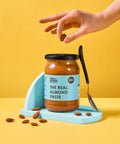
In this combination, the taste of the protein practically disappears. It's not as neutral as a whey protein shake, but with a scoop of almond butter, you can drink it with pleasure. If you like sweeter shakes, add a little maple syrup or a date, and then it becomes really tasty. For the shake, we used our favorite almond butter, which has a delicate taste and nice sweetness.
{{single_product_02}}
What plant-based protein flavors are you interested in?
We want plant-based proteins to be even more accessible, so we are thinking about flavored versions. We have a few ideas: cocoa, cinnamon, vanilla, maybe a little crumbled stevia. We are also wondering whether the proteins should be sweetened or rather remain sugar-free, with only the addition of spices. Write in the comments under the video what your dream flavor combination would be.
Before the flavored versions appear in the store, you can prepare your own. A pinch of Ceylon cinnamon or Bourbon vanilla makes a big difference in a shake.
Most common questions about plant-based protein
Which plant-based protein is the most neutral in taste?
In our test, rice protein, followed closely by the protein mix. Both practically do not change the taste of the oat drink.
Does plant-based protein dissolve well?
In a shaker, yes. Rice, pea, and the mix proteins still looked stable after a few minutes. Hemp protein may separate slightly, so it's worth shaking it again before drinking.
How does the protein mix differ from rice and pea protein?
The mix is a combination of pea protein and brown rice protein in a proportion that provides an amino acid profile similar to whey protein. It tastes almost the same as rice protein and has the same amount of protein: 80 g per 100 g.
Can plant-based protein be added to hot dishes?
Rice, pea, and the mix proteins can be added to pancakes, fritters, or soups, for example. We do not recommend hemp protein for hot dishes.
Why does hemp protein contain less protein?
Because it consists of ground hemp seeds after the oil has been pressed out. In addition to protein, it also contains other seed components, so there are 50 g of protein per 100 g, not 80 g like in the others.
How much plant-based protein can you consume daily?
Our plant-based proteins are dietary supplements, so you will find the recommended daily portion on the label and should not exceed it. A dietary supplement cannot replace a varied diet.
Plant-based proteins from our range
You will find all four proteins from the test on ekogram.pl: rice protein, plant-based protein mix, hemp protein, and pea protein. These are pure proteins from organic farming, without sugar, sweeteners, or flavorings. If you want to learn more about where else to get protein in a plant-based diet, check out the short post Plant-based sources of protein.
{{product_list_01}}


