






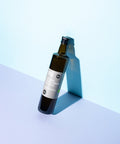




Organic Sichuan Pepper - Whole - 25g

Order by 12:00 and we will send your parcel today (working days)
How much does delivery cost?
- Free delivery for orders over PLN 199
- ORLEN Paczka - PLN 6.99
- InPost Paczkomaty 24/7 - PLN 14.99
- DPD Pickup - PLN 15.99
- InPost Courier - PLN 15.99
- DPD Courier - PLN 16.99
- Personal pickup in Krakow - free
What payment methods are available?
- BLIK
- fast transfer with Tpay
- Apple Pay
- Google Pay
- Credit card

THE REAL DELIVERY* – Package under warranty
We have been shipping glass jars for over 15 years and we know how to do it. If something happens during transport, you don't have to worry about anything.
Just send us a photo and a simple form, and we'll send you new products, no questions asked.
Organic Sichuan pepper – citrusy, tingling and slightly spicy
Whole organic Sichuan pepper from certified organic farms. It smells citrusy, a bit like lemon and grapefruit peel, and does something on the tongue that no other spice can: it creates a gentle tingling and slight numbing sensation, after which every subsequent bite tastes more intense.
One ingredient and nothing else. That's what real Sichuan pepper tastes like 🙂
Not pepper, just citrus
Despite its name, Sichuan pepper is not related to black pepper. It is the dried husks of fruits from a shrub in the Zanthoxylum genus, which belongs to the rutaceae family, the same family as lemons and oranges. Hence its citrusy aroma. The heat is also different: instead of burning, Sichuan pepper tingles. This is due to sanshool, a compound that stimulates the nerve endings responsible for sensing touch on the tongue and lips.
Mala, the taste of Sichuan
In Sichuan cuisine, pepper is rarely used on its own. Paired with chili, it creates the famous mala flavor. "Ma" is the tingling from Sichuan pepper, and "la" is the heat from chili peppers. The tingling makes the chili heat feel different, and together they create an addictive flavor. Our organic chili flakes are a perfect addition to this duo.
How to use Sichuan pepper?
- Sort through it. If you find black seeds or small twigs, remove them. They are hard and bitter, and all the aroma is in the husks.
- Toast it. Pour the pepper into a dry pan and toast over medium heat for 1–2 minutes, stirring constantly, until it smells strongly aromatic. Do not let it burn, or it will become bitter.
- Grind it. Let it cool and grind it in a mortar or grinder just before use. Ground pepper loses its aroma quickly, so it is best to grind only as much as you need.
How much to add? To start, ½–1 teaspoon of ground pepper is enough for a dish serving 2–4 people. The tingling builds gradually, so it is better to add less and season at the end.
What does it pair well with?
- Wok dishes. Kung pao chicken, stir-fried vegetables, or chili noodles: a pinch at the end of cooking is enough to give the dish character.
- Poultry and fish. Rub ground pepper with salt into the skin of chicken or duck before roasting, sprinkle it over fish before frying, or add it to a marinade.
- Sichuan cuisine classics. Mapo tofu, dan dan noodles, or Sichuan hot pot simply do not taste right without it.
- Homemade chili oil. Heat oil with whole Sichuan pepper, strain it, and pour it over chili flakes. This oil pairs well with dumplings, noodles, eggs, and vegetables.
- Sichuan salt. Mix toasted salt with ground Sichuan pepper, e.g. in a 3:1 ratio. This is a classic addition to fried chicken, shrimp, and grilled meats.
- Something unexpected. A pinch of ground Sichuan pepper pairs surprisingly well with dark chocolate, strawberries, and citrus fruits.
Storage
Store in a cool, dry place in a tightly sealed container. Whole pepper retains its aroma much longer than ground pepper, so it is best to grind it as needed.
Organic certification, which is good for you and the planet
Our Sichuan pepper is an organic farming product with the PL-EKO-03 certificate. It comes from certified organic farms, cultivated without synthetic pesticides and fertilizers. The ingredient list has one item – and that is exactly what you have on your plate.
A fun fact about Sichuan pepper
The tingling from Sichuan pepper can be measured. In 2013, scientists from University College London determined that the sensation on the lips corresponds to vibrations at a frequency of around 50 Hz, meaning the brain perceives it as if the lips were vibrating slightly. And in the United States, for almost 40 years, from 1968 to 2005, there was an import ban on this spice because it could carry a disease that destroys citrus trees. This is what THE REAL SICHUAN PEPPER is all about.


